Gray Matters: June Edition
As we move into July, this edition of Gray Matters looks back at a significant month for the Built Environment. June brought political change, renewed debate around housing policy and further reminders of the importance of quality, skills and supported housing delivery.
Industry Insights
Recent updates show a sector still facing pressure around planning and viability, but also one where progress is being made through public funding, strong site management and investment in the future workforce.
🏛️ Political Shake-Up Leaves Housing Sector Seeking Stability
The UK housing and construction sectors entered another period of uncertainty in June following Keir Starmer’s resignation and the prospect of a further change in national leadership.
For the Built Environment, the concern is not simply who takes office next. The bigger question is whether the industry will finally see the consistency needed to plan with confidence. In our conversations with executive teams, stability continues to be the priority.
Andy Burnham is widely expected to succeed Starmer, bringing renewed attention to housing policy and regional decision-making. His record in Greater Manchester suggests a more hands-on approach, with social housing and local control likely to sit high on the agenda.
Since our article was published, the debate has moved from the immediate political reaction to what comes next. Transition talks are progressing, but the sector is still waiting for clarity on the shape, pace and funding of any new housing agenda.
Ambitious targets will only matter if they can be translated into practical delivery. For the market to regain confidence, the next administration will need to provide clear direction and a route that developers, contractors and housing providers can realistically work with.
🏘️ Housing Delivery | Homes England Statistics
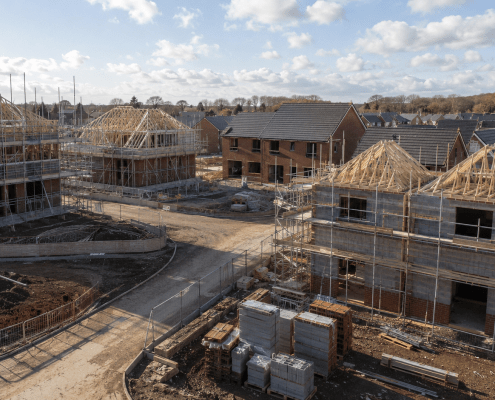
Homes England has published its latest annual housing statistics, reporting year-on-year increases in both starts and completions across its programmes.
Between April 2025 and March 2026, 42,433 new homes started on site, while 40,332 were completed. Affordable tenures accounted for a significant proportion of this activity, underlining the importance of public funding and partnership-led delivery in supporting supply.
The figures provide a useful snapshot of where residential activity is moving, particularly while the wider market continues to face pressure around land, planning and scheme viability.

🏆 Celebrating NHBC Pride in the Job Success
June saw the announcement of the NHBC Pride in the Job Awards and it was exceptionally rewarding to see individuals within our network receive well-deserved recognition.
A huge congratulations to Aaron Bhat and Charlie Tappenden, who were introduced to Barratt David Wilson Kent by our Associate Director, Alex Codd . Fast forward 12 months and they have both gone on to win their first awards at The Poppies – a testament to their hard work, leadership and commitment to quality.
We also extend our congratulations to the wider site teams involved. Their success is a brilliant reminder of why we do what we do, highlighting the long-term impact that can be achieved when outstanding professionals are matched with the right businesses.
👷 Future Talent | Women into Home Building
The Home Builders Federation (HBF) Women into Home Building programme received national recognition in June, winning Career Development Initiative of the Year at the Women in Housing and Housing Heroes Awards.
Launched in 2023, the programme was created to help address the gender imbalance across housebuilding, where women account for around 15% of the workforce and just 5% of site management roles.
Delivered with Pathway CTM and major housebuilders, the programme gives women practical insight into site-based careers through training, employability support and short placements with participating employers.
Since launch, it has engaged 325 women, with 157 undertaking placements and more than 50 progressing into employment or apprenticeships.
At a time when skills shortages remain a major constraint, the programme shows the value of practical, employer-backed initiatives that create new routes into the sector.